

What Are The Most Common Steel Light Pole Sizes?
Nov 08, 2024
Leave a message
When it comes to outdoor lighting, steel light poles play a vital role in ensuring safety, visibility and aesthetics. These light poles are commonly used in a variety of applications including street lighting, parking lots, parks and commercial properties. However, one of the most common questions in the industry is "What are the most common steel light pole sizes?" Understanding standard sizes and their applications can help make informed decisions for your lighting projects.
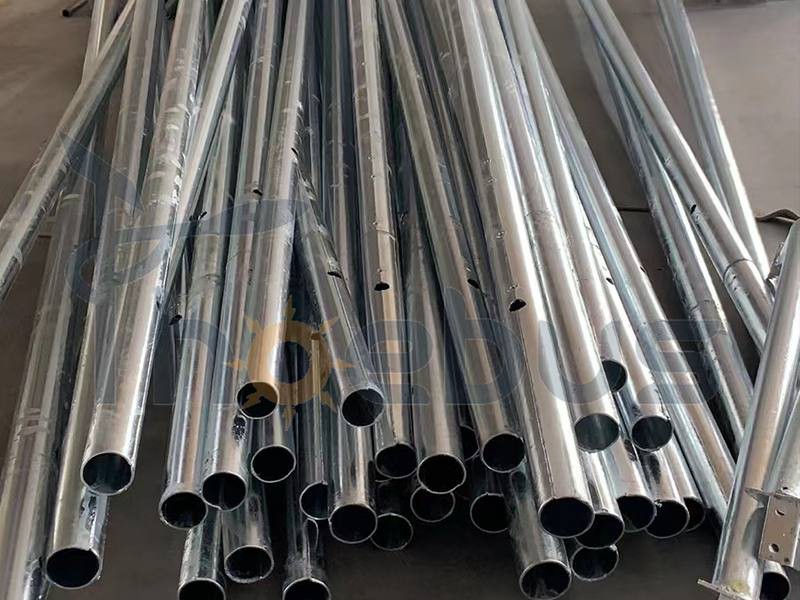
Understand steel light poles
Steel light poles are preferred for their durability, strength and resistance to harsh weather conditions. They are usually made of galvanized steel, which provides extra protection against corrosion. The design and height of these light poles can vary greatly depending on their intended use, lighting area and local regulations.
Common dimensions of steel light poles
The size of a steel light pole is usually defined by its height and diameter. The most common heights for steel light poles range from 10 to 40 feet, with 20 feet being the most common height for street lighting. Here is a breakdown of common sizes and their typical applications:
1. 10 to 15 feet:
These shorter poles are typically used in residential areas, parks, and sidewalks. They provide adequate lighting for walkways and small parking lots, ensuring safety without disturbing the surrounding environment.
2. 20 ft:
This is the most common size for street lighting. The 20-foot light pole effectively illuminates roadways, parking lots, and commercial areas. The height allows light to spread widely, reducing shadows and improving visibility for drivers and pedestrians.
3. 25 to 30 ft:
These light poles are typically used in larger parking lots, highways, and areas that require more extensive lighting. The increased height allows greater distance between poles, which can be more cost-effective in terms of installation and maintenance.
4. 35 to 40 ft:
These taller poles are commonly found on major roads, highways, and large commercial properties. They are designed to provide high-intensity lighting to larger areas, ensuring safety and visibility in high-traffic areas.
Factors affecting the size of steel light poles
There are several factors that influence the selection of steel light pole size for a specific application:
1. Lighting Requirements:
The main purpose of a light pole is to provide adequate lighting. The desired brightness (measured in lumens) will determine the height and spacing of the light poles. Taller poles can cover a larger area, while shorter poles may require more concentrated lighting.
2. Area Type:
The environment in which the pole is installed plays an important role in determining its size. Urban areas with heavy traffic may require taller poles for better visibility, while residential areas may benefit from shorter poles that blend in with their surroundings.
3. Local Regulations:
Many cities have specific regulations regarding the height and location of light poles. These regulations are generally designed to minimize light pollution and ensure safety. Local guidelines must be consulted before selecting a rod size.
4. Aesthetic considerations:
The visual impact of the light pole will also affect its size. In areas where aesthetics are important, such as parks or historic districts, shorter poles with decorative designs may be preferred.
5. Wind Loading and Structural Integrity:
The height and diameter of the light pole must also consider wind loading and structural integrity. Taller poles need to be designed to withstand higher wind speeds, which may require a larger diameter or additional supports.
In conclusion
All in all, the most common steel light pole size is usually around 20 feet, especially for street lighting applications. However, pole size selection may vary based on a variety of factors, including lighting requirements, type of area, local regulations, aesthetic considerations, and structural integrity.
When planning a lighting project, these factors must be carefully considered to ensure that the steel pole size selected meets the needs of the environment while providing effective and efficient lighting. By understanding common dimensions and their applications, project managers, architects, and city planners can make informed decisions that enhance the safety and visibility of outdoor spaces.
Ultimately, the correct steel pole size not only contributes to the functionality of outdoor lighting, but also plays an important role in the overall design and safety of public and private spaces.