

Why Are Most Highway Lights Yellow?
Jun 03, 2024
Leave a message
Highway lights play a vital role in ensuring the safety and visibility of drivers and pedestrians at night. The lights are strategically placed along highways to illuminate the road and its surroundings, reduce the risk of accidents and provide a sense of security to those traveling after dark. A common characteristic of highway lights is their yellow hue, which begs the question: Why are most highway lights yellow?
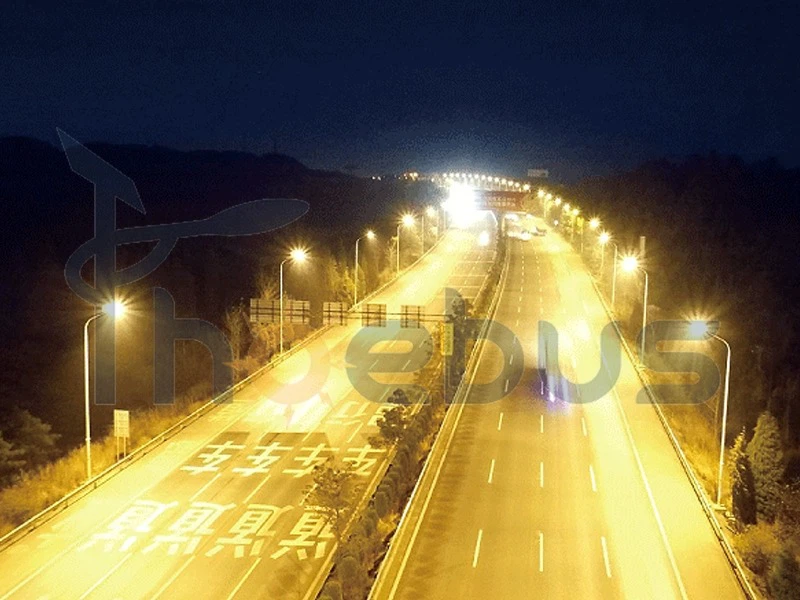
The color of highway lights is not arbitrary; it is the result of careful consideration of a variety of factors, including visibility, safety and energy efficiency. Yellow lights were chosen for highways for several scientific and practical reasons that contribute to their effectiveness in increasing visibility and reducing glare.
One of the main reasons for the prevalence of yellow highway lights is the effect of light on human vision. The human eye is more sensitive to yellow light, especially in low-light conditions. This means yellow lights are more visible to drivers, allowing them to see the road and potential hazards more clearly. In contrast, white or blue lights, while appearing brighter, can cause discomfort and glare, potentially impeding visibility and increasing the risk of an accident.
Additionally, yellow light has been found to be more effective than white light in penetrating fog and other severe weather conditions. This is an important consideration for highway lighting, as severe weather can significantly reduce visibility, leading to hazardous driving conditions. By using yellow lights, highway authorities can reduce the effects of fog and improve overall visibility for drivers, thereby improving road safety.
Another important factor in choosing yellow lights on highways is energy efficiency. Yellow lights, especially those using high-pressure sodium (HPS) technology, are known for their high efficiency and long life. This means they consume less energy while providing adequate lighting, saving costs and reducing environmental impact. At a time when sustainability and energy conservation are paramount, using yellow highway lights aligns with the goal of creating greener, more cost-effective lighting solutions.
Additionally, the choice of a highway yellow light is influenced by its ability to minimize light pollution. Light pollution is excessive or misdirected artificial light that illuminates the night sky, which can have harmful effects on the environment and human health. By using yellow lights with controlled brightness and directionality, highway authorities can reduce the negative effects of light pollution, preserve the natural darkness of the night sky, and minimize disruption to nighttime ecosystems.
It's worth noting that while yellow lights are commonly used on highways, the specific colors and technology used vary. For example, some highway lights may utilize LED technology to produce a yellowish hue, which is more energy efficient and has better color rendering than traditional high-pressure sodium lamps. LED lights also have the advantage of instant lighting and dimming functions, allowing for better control and adaptability in different lighting scenarios.
In addition to practical and scientific considerations, the choice of yellow lights on highways also has historical and cultural significance. Yellow has long been associated with caution and warning, making it a suitable choice for illuminating the fast-paced and potentially dangerous environment of the highway. The use of yellow lights can serve as a visual cue to remind drivers to stay alert and focused, reinforcing safety and awareness messages on the road.
While yellow lights have proven effective for highway lighting, it is important to acknowledge continued advances in lighting technology and the potential for further improvements in visibility, energy efficiency and environmental impact. As the lighting field continues to evolve, there may be opportunities to explore alternative color temperature technologies that provide enhanced performance and sustainability for highway lighting.
In summary, the prevalence of yellow lights on highways is not arbitrary; it is the result of careful consideration of factors such as visibility, safety, energy efficiency, and environmental impact. The goal when choosing yellow lights is to provide optimal illumination while minimizing glare, energy consumption and light pollution. As lighting technology and understanding continue to advance, the future of highway lighting may bring innovations that further improve road safety and sustainability.