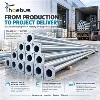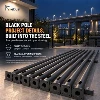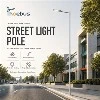

Hot-dip galvanizing serves as the core anti-corrosion process for outdoor high mast poles widely applied in ports, stadiums, plazas and large industrial venues. These facilities are constantly exposed to extreme outdoor conditions, including coastal salt spray, strong seasonal winds, intense ultraviolet radiation and humid air. A standard-compliant hot-dip galvanized coating can effectively isolate steel substrates from corrosive media, securing the structural safety, operational stability and 15–20 year long service life of high mast poles. Strict and standardized quality inspection is essential to eliminate coating defects and avoid premature corrosion, rusting and structural damage.
1. Visual Appearance Inspection (Primary Screening)
Conduct full visual inspection on the entire pole body, welding seams, flange plates and bolt holes. Qualified surfaces present a smooth, uniform silver-gray metallic luster without color difference. Defects such as ungalvanized bare steel areas, surface cracks, air bubbles, coating peeling, zinc accumulation and burrs are strictly prohibited. All cutting, welding and processed sections must achieve complete zinc coverage without dead corners or missing coating.
2. Zinc Coating Thickness Testing (Core Standard)
The test strictly follows ISO 1461 and ASTM A123 international standards. Professional magnetic thickness gauges are used for multi-point sampling and detection on pole bodies and flanges. For coastal, port and other high-corrosion environments, poles require thicker heavy-duty zinc coatings to enhance resistance to salt fog and moisture erosion, meeting higher anti-corrosion design requirements.

3. Coating Adhesion & Hardness Inspection
The zinc coating must be tightly bonded with the steel substrate with no hollow layers. Standard scratch and bending tests are carried out to confirm no coating separation, flaking or cracking. Poor surface derusting or abnormal galvanizing temperatures will cause insufficient adhesion, leading to coating shedding and local rust in daily service.
4. No Leakage & Full Coverage Inspection
Special inspection focus on easily overlooked hidden areas, including inner tube walls, threaded holes, welding corners and gap joints. Full internal and external galvanizing coverage is mandatory. Even tiny uncoated gaps can become corrosion initiation points, gradually eroding the steel structure and threatening the overall safety of high masts.
5. Environment Adaptability Verification for Port & Coastal Projects
Port and coastal high masts face severe salt spray erosion and frequent typhoon impacts, so they adopt stricter heavy-duty galvanizing specifications. Qualified hot-dip galvanizing maintains stable and durable anti-corrosion performance in harsh outdoor environments, ensuring long-term structural reliability of lighting poles.
In summary, comprehensive galvanizing quality inspection covering appearance, thickness, adhesion and full coverage complies with global authoritative standards. Rigorous quality control ensures high wind resistance and anti-corrosion capacity, providing reliable and long-lasting lighting structural solutions for various large outdoor high mast projects.