

How To Layout High Bay Lights in Gymnasium?
Aug 09, 2024
Leave a message
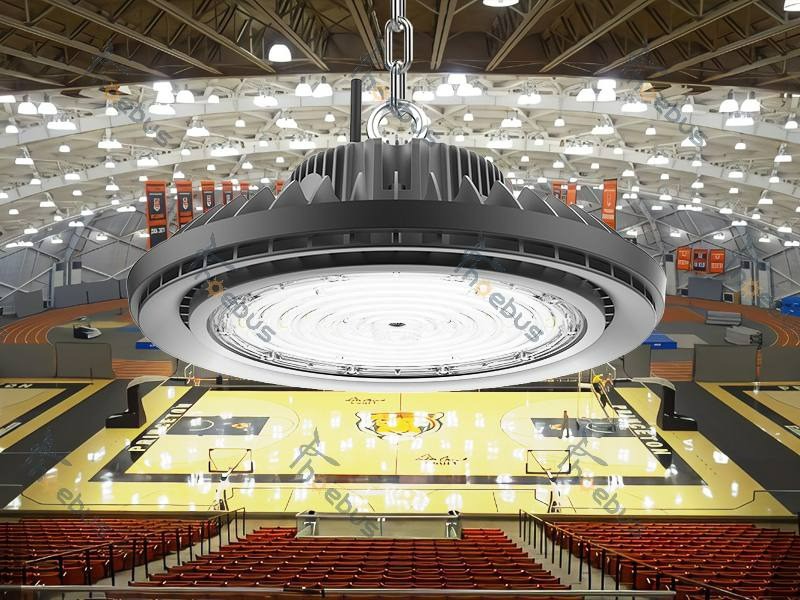
High bay lights are an important part of any stadium lighting system. Designed to provide bright, even illumination of large interior spaces, these powerful fixtures are ideal for use in gyms. Proper placement of high bay lights in a gymnasium is critical to ensuring optimal lighting coverage and performance. In this article, we'll discuss the key considerations and best practices for placing high bay lights in a gymnasium for optimal lighting effects.
1. Assess the space:
Before deciding on the layout of your stadium high bay lights, it is important to assess the size and dimensions of the space. Consider the height of the ceiling, the total square footage of the gymnasium, and any obstructions that may affect light distribution, such as beams or columns. Understanding the specific characteristics of the space will help determine the number and placement of high bay lights needed for effective lighting.
2. Lighting design:
Thoughtful lighting design is crucial to achieving the best results in your gym. When it comes to high bay lights, the goal is to provide even lighting throughout the space, minimizing shadows and glare. This can be achieved through a combination of fixture placement, light distribution and beam angle. Using lighting design software or consulting a professional lighting designer can help create an effective layout for your stadium's high bay lights.
3. Lighting arrangement:
The arrangement of industrial and mining lamps plays a vital role in the overall lighting quality of the stadium. It is important to strategically place light fixtures to ensure even light distribution and adequate coverage. Typically, high bay lights are installed in a grid pattern, with the spacing between fixtures determined by the mounting height and the light output of the fixture. This layout helps achieve consistent lighting levels throughout the space.
4. Installation height:
The installation height of industrial and mining lights is another important factor to consider when arranging lighting in the stadium. The height at which a luminaire is mounted affects the spread and intensity of light. A higher mounting height may require fixtures with higher lumen output to adequately illuminate a space, while a lower mounting height may allow for a more compact fixture layout. Understanding specific lighting requirements based on installation height is critical to an effective layout.
5. Light distribution:
High bay lights have different beam angles, which determine the spread of light. In a stadium environment, it is important to choose luminaires with appropriate beam angles to ensure that light is evenly distributed throughout the floor area. A narrow beam angle may be suitable for targeting a specific area, such as a basketball or volleyball court, while a wider beam angle may be better for general lighting in open spaces.
6. Energy efficiency:
When arranging high-bay lights in a stadium, it is important to consider energy efficiency. LED high bay lights are a popular choice for gyms due to their high efficiency and long life. By selecting energy-efficient light fixtures and implementing lighting controls such as dimmers or motion sensors, gyms can reduce energy consumption and operating costs while maintaining optimal lighting levels.
7. Comply with standards:
It is important to ensure that the layout of high bay lights in the stadium complies with relevant lighting standards and regulations. These standards may include guidelines for illumination levels, glare control and light distribution to ensure a safe and comfortable environment for athletes, spectators and staff. Adhering to these standards is critical to creating a well-lit and compliant gym space.
In summary, placing high bay lights in a stadium requires careful consideration of space, lighting design, fixture placement, installation height, light distribution, energy efficiency and compliance with standards. By taking these factors into consideration, stadiums can achieve optimal lighting effects that improve visibility, safety and the overall user experience. Whether it's for sports, events or general use, a well-planned layout of high bay lights is essential to creating a well-lit, warm and inviting gym environment.