

Manufacturing Process Of Steel Electric Poles
Nov 28, 2024
Leave a message
Steel electric poles are an essential part of modern power infrastructure, providing essential support for power lines and ensuring efficient distribution of electricity. As urbanization and industrialization continue to advance, the demand for reliable and durable utility poles has surged. This article takes an in-depth look at the manufacturing process of steel electric poles, highlighting the key steps involved and the importance of quality in this critical industry. Let's learn more about it with steel electric pole supplier Phoebus.
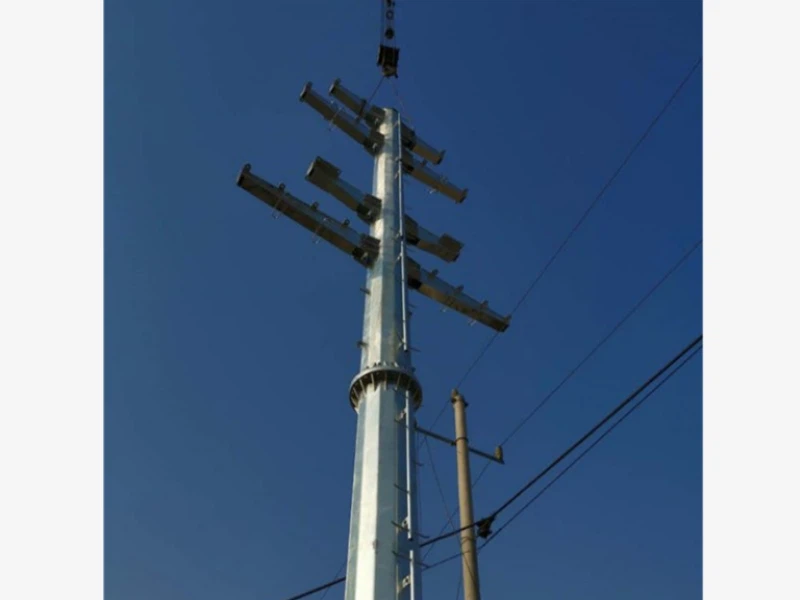
Learn about steel electric poles
Steel electric poles are preferred over traditional wooden or concrete poles because of their strength, durability, and ability to withstand the elements. Steel poles are designed to withstand harsh weather conditions, including strong winds, heavy snow, and extreme temperatures. Additionally, steel poles are less susceptible to rot, insect infestation, and other forms of damage, making them a long-term investment for utility companies.
Manufacturing Process
The manufacturing process of steel electric poles involves several key stages, each of which is critical to ensuring that the final product meets industry standards and customer expectations. Here is a detailed overview of these stages:
1. Material Selection:
The first step in the manufacturing process is to select the right type of steel. High-strength low-alloy steel is popular for its excellent mechanical properties and corrosion resistance. The choice of material is crucial as it directly affects the strength, lifespan, and overall performance of the rod.
2. Steel Forming:
Once the steel is sourced, it goes through a forming process. This typically involves hot or cold rolling to shape the steel into the desired rod shape. The forming process may vary depending on the design specifications and may include tapered or straight rods. Advanced machinery is used to ensure accuracy and consistency in rod dimensions.
3. Welding:
After forming, the steel segments are welded together to form the final rod structure. This step is critical because the quality of the weld directly affects the strength and durability of the rod. Automated welding techniques are often used to ensure uniformity and reduce the risk of human error. Quality control measures such as non-destructive testing are implemented to verify the integrity of the weld.
4. Surface treatment:
To extend the life of steel poles, a surface treatment process is required. This may include galvanizing, which is applying a layer of zinc to the pole to prevent corrosion. Surface treatment not only extends the life of the pole but also reduces maintenance costs.
5. Quality Assurance:
Quality assurance is a key aspect of the manufacturing process. Every batch of steel poles is rigorously tested to ensure compliance with industry standards and specifications. This includes checking for dimensional accuracy, weld integrity, and resistance to environmental factors. Manufacturers typically adhere to international standards, such as those set by the American National Standards Institute (ANSI) or the International Electrotechnical Commission (IEC).
6. Logistics and Delivery:
Once the steel poles have passed quality inspection, they are ready for delivery. This involves careful packaging and transportation to ensure they arrive at their destination in optimal condition. Manufacturers often work closely with logistics partners to streamline the delivery process and minimize delivery time.
Role of a trusted steel electric pole supplier
In the competitive environment of steel utility pole manufacturing, choosing a reliable supplier is critical. A trusted supplier not only provides high-quality products but also exceptional customer service and support. Leading steel utility pole supplier Phoebus embodies this commitment to quality and reliability. With a focus on innovation and customer satisfaction, Phoebus ensures that its products meet the highest standards of performance and durability.
In conclusion
The manufacturing process for steel electric poles is complex and meticulous, requiring expertise, precision, and a commitment to quality. From material selection to surface treatment and quality assurance, each step plays a vital role in producing a pole that will stand the test of time. As the demand for reliable power infrastructure continues to grow, the importance of working with a trusted steel electric pole supplier like Phoebus cannot be overstated. For those in need of high-quality steel electric poles, we invite you to contact us for a quote and experience the difference quality and reliability can make in your project.