

What Is The Purpose Of LED Street Lighting?
Aug 16, 2024
Leave a message
In recent years, there has been a significant shift in the adoption of LED street lighting as a means of illuminating urban and rural areas. LED, or light-emitting diode, technology has revolutionized the way we light our streets and offers numerous advantages over traditional lighting solutions such as incandescent or fluorescent lighting. The purpose of LED street lighting is more than just providing light; it encompasses a wide range of environmental, economic and social benefits that help create safer, more sustainable communities.
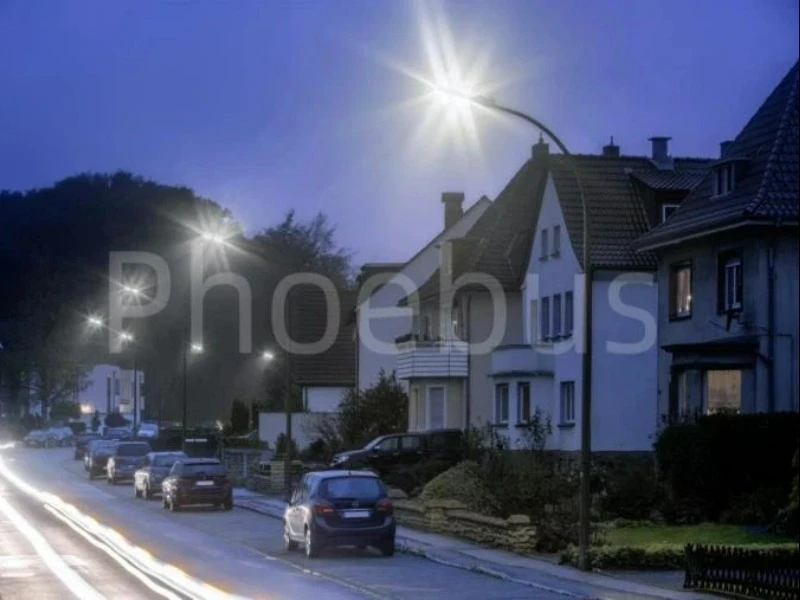
One of the main purposes of LED street lighting is to enhance public safety. LED lights provide bright, even lighting that helps improve visibility on roads, sidewalks and public spaces, reducing the risk of accidents and criminal activity. The superior color rendering of LED lights also enhances object recognition, making it easier for drivers and pedestrians to identify potential hazards and navigate their surroundings with confidence. Additionally, the consistent and reliable performance of LED streetlights further enhances public safety by ensuring essential infrastructure and emergency services remain operational at night.
Another major purpose of LED street lighting is to increase energy efficiency and environmental sustainability. LED lights are known for their low energy consumption and long life, making them a cost-effective and environmentally friendly lighting solution. LED street lights consume significantly less electricity than traditional lighting technologies, reducing carbon emissions and lowering energy costs for municipalities and local governments. Additionally, the long life of LED lights means fewer replacements and maintenance, resulting in less waste and a smaller environmental footprint. By switching to LED street lighting, communities can contribute to global efforts to mitigate climate change and protect natural resources.
In addition to safety and sustainability, LED street lights can also improve the quality of urban and rural environments. The superior optical control of LED lights enables precise light distribution, minimizing light pollution and glare while maximizing visibility and comfort for residents and visitors. This not only creates more pleasant and attractive public spaces, but also supports nighttime ecosystems by reducing disruption to natural light patterns. Additionally, the versatility of LED technology enables the implementation of smart lighting systems, allowing for dynamic control of brightness and adaptive lighting schemes that further enhance the aesthetics and functionality of outdoor spaces.
In addition, the economic benefits of LED street lights cannot be ignored. While the initial investment in LED infrastructure may require upfront capital, long-term savings in energy and maintenance costs often result in a quick return on investment. Many municipalities and local authorities have experienced significant reductions in operating expenses after switching to LED street lighting, freeing up resources that can be allocated to other community development initiatives. Additionally, improvements in LED light reliability and performance help create a more resilient and efficient public lighting infrastructure, reducing downtime and associated costs.
The purpose of LED street lighting goes beyond the physical illumination of streets and public areas; it also encompasses the potential for technological innovation and connectivity. By integrating intelligent controls and sensors, LED lighting systems can support a variety of smart city applications, including traffic management, environmental monitoring and data-driven decision-making. By leveraging the capabilities of LED technology, communities can create connected, smart urban environments that improve livability, sustainability and economic competitiveness.
In summary, the purpose of LED street lighting is multifaceted, including safety, sustainability, quality of life, and economic prosperity. As communities around the world continue to recognize the benefits of LED technology, the transition to energy-efficient and environmentally friendly lighting solutions is becoming more common. By adopting LED street lighting, towns and cities can light the way to a brighter, more sustainable future for generations to come.