
Decorative light poles are both functional and aesthetically pleasing elements of urban and suburban landscapes. They illuminate streets, parks, and public spaces while enhancing the overall design of the environment. As a leading supplier of decorative light poles, Phoebus understands the importance of quality and craftsmanship in the production of these essential light fixtures. In this article, we'll explore the complex process of making decorative light poles, from design to installation, and highlight the role suppliers like Phoebus play in the industry.
Design and Conceptualization
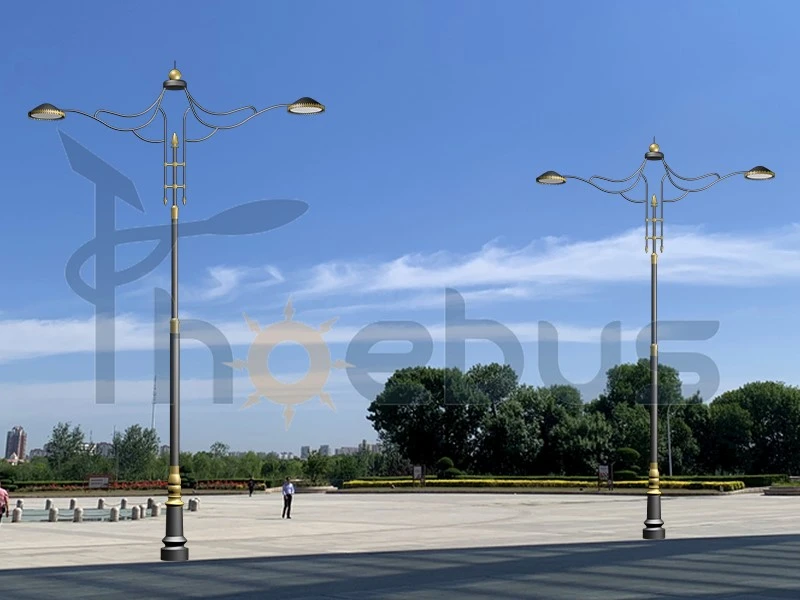
The journey to a decorative light pole begins with design and conceptualization. Designers and engineers collaborate to create a pole that not only meets functional requirements but also complements the surrounding architecture and landscape. This phase involves selecting materials, colors, and styles that match the intended aesthetic. Whether it's a vintage-style lamp post or a sleek modern design, the goal is to create a product that enhances the visual appeal of the area.
At Phoebus, we pride ourselves on our ability to customize designs to our clients' specific needs. We work closely with architects, urban planners, and landscape designers to ensure our decorative light poles fit seamlessly into their vision. This collaborative approach allows us to produce unique and eye-catching designs that stand out in any environment.
Material Selection
Once the design is complete, the next step is to choose the material. Decorative light poles can be made from a variety of materials, including aluminum, steel, fiberglass, and even wood. Each material has its own advantages and disadvantages, and the choice is usually based on factors such as durability, weight, cost, and aesthetics.
Aluminum is a popular choice for decorative light poles due to its lightweight and corrosion-resistant properties. Steel, on the other hand, offers strength and durability, making it suitable for high-traffic areas. Fiberglass offers design flexibility and can be molded into complex shapes, while wood poles offer a classic, natural look. At Phoebus, we source high-quality materials to ensure that our decorative light poles are not only beautiful, but also durable.
Manufacturing Process
The manufacturing process for decorative light poles involves multiple steps, each of which requires precision and attention to detail. Here is a breakdown of a typical production process:
1. Fabrication: Cutting and shaping the selected material to design specifications. This may involve welding, machining, or forming, depending on the material used. Advanced technology such as CNC machines is often used to ensure accuracy and consistency.
2. Finishing: Once the pole has been manufactured, it will need to be finished to enhance its appearance and protect it from the elements. This may include powder coating, painting, or applying a protective sealant. At Phoebus, we offer a range of finishes to suit different styles and preferences, ensuring our decorative poles will retain their beauty over time.
3. Quality Control: Quality control is a critical step in the manufacturing process. Each decorative light pole is thoroughly inspected to ensure it meets our high quality and safety standards. This includes checking for structural integrity, surface quality, and compliance with industry regulations.
4. Assembly: Once the individual components are complete, they are assembled into the final product. This may involve connecting the light fixtures, wiring, and any decorative elements. Phoebus' skilled technicians take great care during this stage to ensure that each light pole is assembled correctly and functions as intended.
Installation and Maintenance
Once a decorative light pole is manufactured, it is ready to be installed. This process often involves coordinating with local authorities and contractors to ensure the pole is installed in the best location for maximum lighting and aesthetics. Proper installation is critical to the life and effectiveness of the pole.
Maintenance is another important aspect of decorative light poles. Regular inspections and maintenance are necessary to ensure that the poles remain in good condition and continue to operate effectively. At Phoebus, we provide our customers with guidance on maintenance best practices to help them extend the life of their decorative light poles.
In conclusion
More than just a source of lighting, decorative light poles are an integral part of urban design that enhance the beauty and functionality of public spaces. The process of creating these poles involves careful design, material selection, and skilled manufacturing. As a reputable decorative light pole supplier, Phoebus is committed to providing high-quality products that meet the diverse needs of our customers.
If you are looking for decorative light poles that combine style, durability and functionality, we invite you to contact Phoebus for a quote. Our team is ready to assist you in finding the perfect lighting solution for your project, ensuring your vision becomes a reality with our beautiful decorative light poles.