

Smart Street Light Pole Installation Guide
Mar 26, 2024
Leave a message
As cities continue to grow and evolve, the need for smarter, more efficient infrastructure becomes increasingly important. Smart street light poles are a key component of modern urban infrastructure, offering a range of benefits including improved safety, energy efficiency, and enhanced connectivity. In this installation guide, we'll explore the key steps and considerations for installing smart street light poles to ensure they blend seamlessly into the urban landscape.
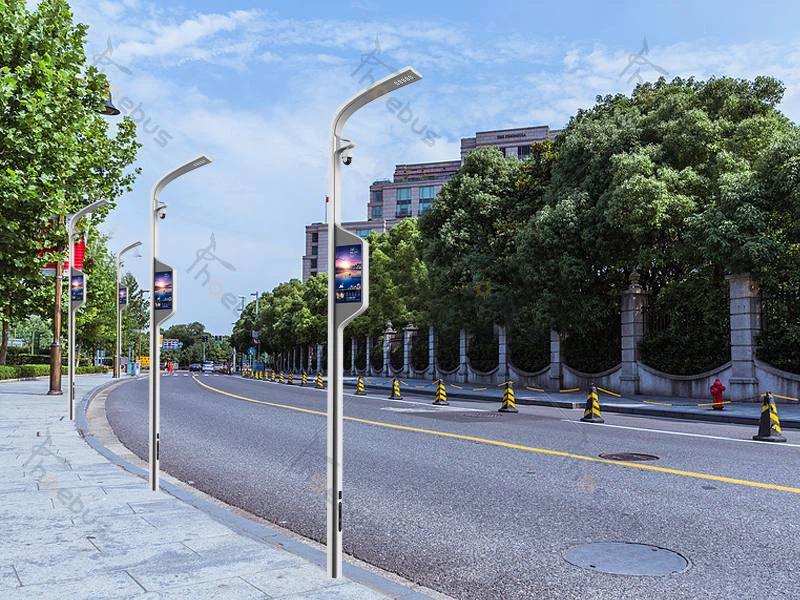
1. Planning and site assessment
Before beginning the installation of smart street light poles, it is critical to conduct a thorough planning and site assessment process. This involves determining where smart street light poles should be installed, taking into account factors such as pedestrian and vehicular traffic, existing utility infrastructure, and the specific needs of the area.
Additionally, it is important to consider the connectivity requirements of smart street light poles to ensure they can communicate with other smart city infrastructure and systems. This may involve evaluating the availability of wireless connectivity options such as 5G or Wi-Fi, and the potential need for additional infrastructure to support these communications capabilities.
2. Smart street light pole component selection
Once the location of the smart street light pole has been determined, the next step is to select the appropriate mounting components. This includes selecting the smart light pole itself, as well as any additional features such as LED lighting, environmental sensors, security cameras, and electric vehicle charging stations.
When selecting these components, it is important to consider the specific requirements of the area to ensure they are suitable for the needs of the community. For example, in high-traffic pedestrian areas, installing environmental sensors for air quality monitoring may be particularly beneficial, while in high-crime areas, installing surveillance cameras can enhance public safety.
3. Installation process
The installation of smart street light poles involves several key steps, starting with site preparation. This may include excavation work to lay the necessary foundations for the poles, as well as installing any underground utility infrastructure such as power and data cables.
Once the site is ready, smart light poles can be erected and secured in place. Care should be taken to ensure that light poles are installed in a manner that is both aesthetically pleasing and structurally sound, taking into account factors such as wind resistance and the possibility of vandalism or accidental damage.
Once the pole itself is installed, various components such as LED lighting, sensors, and cameras can be integrated and connected to the smart city network. This may involve the installation of additional wires and cables, as well as the configuration of software and communication protocols to enable smart light poles to function as part of larger urban infrastructure.
4. Testing and debugging
Once the installation process is complete, the smart street light pole and its components must be thoroughly tested and debugged to ensure everything is functioning as expected. This may involve testing to verify the functionality of LED lighting, the accuracy of environmental sensors, and the reliability of communication links to smart city networks.
In addition to technical testing, user experience and the impact of smart street light poles on the surrounding environment also need to be considered. This could involve soliciting feedback from local residents and businesses, as well as conducting an assessment of the poles' energy efficiency and overall impact on the area.
5. Maintenance and monitoring
Finally, ongoing maintenance and monitoring of smart street light poles is critical to ensuring their long-term effectiveness and reliability. This may involve regular checks to identify and resolve any issues, such as damaged components or connectivity issues, as well as implementing software updates and security patches to protect against potential cyber threats.
In addition to proactive maintenance, it is also important to establish a system to monitor the performance of smart street light poles, including collecting and analyzing data from various sensors and cameras. This data can provide valuable insights into factors such as traffic patterns, environmental conditions, and public safety, allowing city officials to make informed decisions about future infrastructure investments and policy initiatives.
In summary, the installation of smart street light poles provides a significant opportunity to strengthen urban infrastructure and create more sustainable, connected, and safe cities. By following the steps outlined in this installation guide, cities can ensure smart street light poles integrate seamlessly into the urban landscape, providing a wide range of benefits to residents, businesses, and visitors alike. From careful planning and site assessment to ongoing maintenance and monitoring, the successful installation of smart street light poles is a critical step in building the smart cities of the future.
If you are interested in smart street light poles, welcome to contact Phoebus to get a quote.